
Benefits of swimming lessons for children with ADHD
For parents of children with ADHD, finding activities that channel energy, build focus, and boost confidence can feel like a constant challenge. Luckily, swimming checks all three boxes, and then some! More than just a fun after-school activity, swimming offers a combination of physical, sensory, and psychological benefits that make it one of the most effective outlets for children with ADHD. Let’s break down exactly why swimming lessons for children with ADHD can be so beneficial.
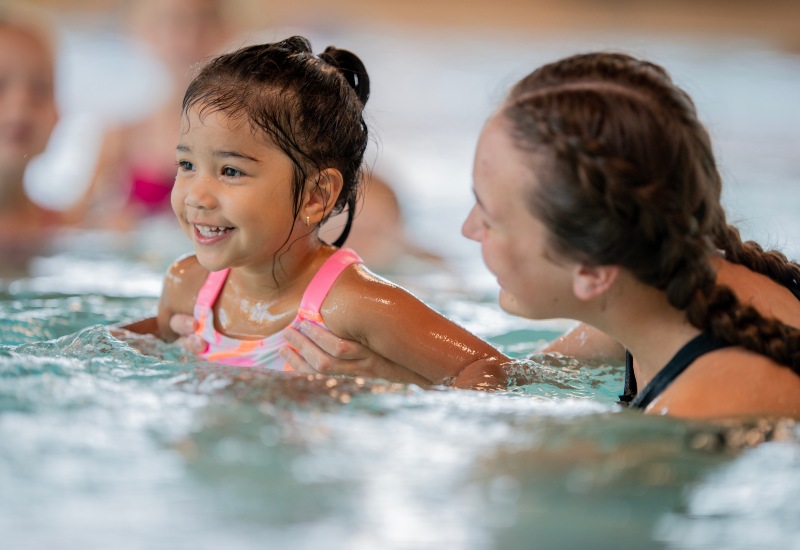
Why Children With ADHD Benefit From Swim Lessons
Children with ADHD often struggle with traditional sports and classroom activities that require them to stay still or follow complex rules. Swimming doesn’t have these barriers. While swim lessons are structured and have clear boundaries, the environment is also stimulating and offers repetition that reflects how many kids with ADHD engage with the world. Beyond providing a place where children can participate without feeling hampered by their ADHD, swim lessons are also a great way to get some exercise. Aerobic exercise can increase dopamine and norepinephrine in the brain, the very neurotransmitters that some ADHD medications like Ritalin target. Take a closer look at some of the other ways swimming helps children:
Improving Focus and Attention
Swimming is great for improving attention in kids with ADHD. In fact, the exercise children get in swim lessons can lead to better executive function, impulse control, and memory. Many parents and teachers report noticeable improvements in classroom behavior on days children take swimming lessons. Because of this “post-exercise window” of improved focus, you might choose to schedule swimming lessons right before homework time.
Addressing Behavior Regulation
Kids with ADHD tend to have difficulty regulating emotions and behavior. Impulsivity, frustration, and emotional outbursts are common challenges. Swimming addresses these through a concept known as inhibitory control, the brain’s ability to pause and evaluate before reacting. When a child learns to control their breathing in water, time their turns, and pace themselves across multiple laps, they’re practicing exactly this kind of regulatory skill.
Accounting for Sensory Differences
Many children with ADHD also have sensory processing differences. Some are sensory-seeking and crave strong input to feel regulated. Others are sensory-sensitive and can become overwhelmed in loud, chaotic environments. Swimming programs for special needs are so helpful because water offers a calming effect on the nervous system. Sensory-seeking children tend to enjoy the stimulation the water brings, while sensory-sensitive kids find the water soothing rather than overwhelming.
Building Confidence and Life Skills
Swimming has clear physical benefits, but the mental advantages shouldn’t be understated. When kids take consistent swim lessons, their progress is visible. They learn they’re more than capable of doing hard things, which often leads them to putting more effort into difficult tasks in the future. Swim therapy is also good for teaching kids to set goals, persevere, and deal with feelings of frustration.
The Benefits of Swimming for Kids Can Last a Lifetime
The benefits of swimming for kids with ADHD compound over time. Early swimmers often develop a lifelong relationship with physical activity, which is particularly important given that adults with ADHD are at higher risk of anxiety, depression, and sedentary behavior. What’s more, consistent exercise in childhood has been linked to improved brain development, particularly in regions responsible for executive function.
There’s also a social dimension to swimming that you shouldn’t forget about. Swimming creates opportunities for making friends and socializing with their peers.
Give Your Child a Head Start in the Pool
Swimming won’t replace a comprehensive ADHD management plan, but it is one of the best ways to complement that plan. If you’re ready to learn more about how swimming helps children, get in touch with the team at Little Otter Swim School. We’re excited to help kids in Huntersville and Charlotte, NC get all the benefits of swimming, whether that’s increased focus, better behavior, or improved confidence.
FAQs About Swim Lessons and ADHD
Is Swimming Good for Children With ADHD?
Yes. This form of aerobic exercise increases dopamine and norepinephrine levels in the brain, improving attention and behavior regulation.
How Often Should My Child Swim to See the Benefits?
Even one to two sessions per week can produce noticeable improvements in focus and behavior. As long as you stay consistent, you should see results!
Can Swimming Replace ADHD Medication?
No. Swimming can complement an ADHD treatment plan, but it shouldn’t replace medical advice or prescribed medication.
What Should I Look for in a Swimming Instructor?
Look for instructors with experience working with children with developmental or attention-based differences. They should have plenty of patience, be able to communicate clearly, and regularly adapt techniques to individual needs.